

Aloe vera health benefits have been recognized for over 6,000 years — but in 2026, modern science is finally catching up with what ancient healers in India, Egypt, and China already knew. This complete guide covers 12 proven, research-backed health benefits of aloe vera that you can start using today — whether for glowing skin, better digestion, blood sugar support, or faster wound healing.

This guide is for health-conscious Indians aged 18–55 who want a natural, affordable, and scientifically validated wellness tool they can grow at home or buy at any local kirana or pharmacy. We cover aloe vera gel, aloe vera juice, topical uses, internal uses, dosage, side effects, and everything in between.
Aloe vera (Aloe barbadensis) is a succulent plant whose clear inner gel delivers 12+ science-backed health benefits — including accelerating burn healing by up to 9 days, reducing dental plaque, supporting blood sugar management in prediabetes, and deeply hydrating skin. Topical aloe gel is considered safe for most people; oral use requires decolorized, purified gel at 30–60 ml per day.
- Botanical Name: Aloe barbadensis Miller (Aloe vera)
- Plant Family: Asphodelaceae (Liliaceae)
- Active Compounds: Acemannan, aloin, aloe-emodin, anthraquinones, vitamins A, C, E, B12, folic acid
- Amino Acids: Contains 19 of 20 essential amino acids needed by the human body
- Burn Healing Advantage: Topical aloe speeds burn healing by ~9 days vs. conventional treatment
- Blood Sugar: Reduces fasting blood glucose levels in prediabetes and early Type 2 diabetes
- Safe Oral Dose: 30–60 ml of decolorized, purified inner-leaf gel per day
- Topical Safety: Generally safe for all skin types; patch test recommended for sensitive skin
- Key Caution: Aloe latex (yellow layer under skin) must NOT be consumed — potential carcinogenic risk
- Traditional Use in India: Used in Ayurveda as “Kumari” for over 2,000 years for pitta and liver balance
- What Is Aloe Vera and Why Is It Called the Plant of Immortality?
- Who Should Use Aloe Vera? (8 Audience Profiles)
- 12 Proven Health Benefits of Aloe Vera (Science-Backed 2026)
- Aloe Vera for Skin – Anti-Aging, Acne, and Wound Healing
- Aloe Vera for Digestion, Gut Health, and IBS
- Aloe Vera for Blood Sugar and Diabetes Management
- How to Use Aloe Vera at Home – Step-by-Step Guide
- Aloe Vera vs. Other Natural Remedies – Comparison Table
- Pros and Cons of Using Aloe Vera
- Important Terms Related to Aloe Vera
- Important Links
- Conclusion
- Key Takeaways
- Frequently Asked Questions About Aloe Vera Health Benefits
What Is Aloe Vera and Why Is It Called the “Plant of Immortality”?
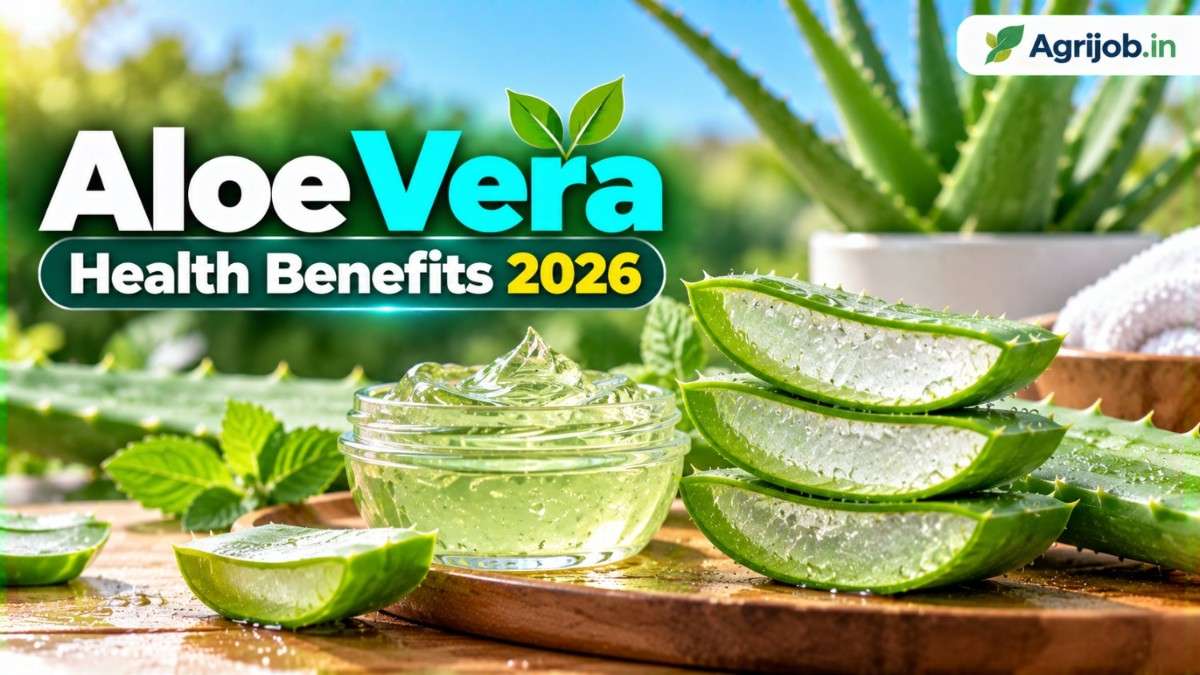
Aloe vera (Aloe barbadensis Miller) is a short-stemmed succulent that stores water in its thick, fleshy leaves. The clear, jelly-like inner gel — and to a lesser extent the yellowish latex layer just beneath the skin — contain over 75 biologically active compounds including vitamins, minerals, enzymes, amino acids, polysaccharides, and anthraquinones.

Ancient Egyptians called it the “plant of immortality” and included it in pharaonic burial rituals. In India, aloe vera has been used for over 2,000 years in Ayurvedic medicine under the name Kumari, primarily to balance pitta dosha, support liver function, and treat skin disorders. According to a 2025 review published in Frontiers in Nutrition, aloe vera contains a nutritional profile that includes vitamins A, C, E, B12, and folic acid — making it genuinely exceptional among medicinal plants.
Two commercially important parts of the plant are used in health products today: aloe vera gel (the clear inner pulp — safe for topical and careful oral use) and aloe latex (the yellowish sub-dermal layer — NOT safe for oral consumption due to carcinogenic risk identified by the U.S. FDA). Always look for “decolorized, purified inner-leaf” aloe products for oral use.
Who Should Use Aloe Vera?
Aloe vera is one of the most versatile natural remedies available — but it’s especially valuable for these specific groups:
- 🌞 People with sun-damaged or dry skin — aloe gel’s mucopolysaccharides lock in deep moisture and soothe UV-damaged skin naturally.
- 🩹 Anyone with minor burns, cuts, or abrasions — topical application speeds healing by up to 9 days compared to conventional dressings.
- 🦷 People concerned about oral health — aloe mouthwash is as effective as chlorhexidine for reducing plaque and gingivitis.
- 🍽️ Those suffering from acid reflux, IBS, or bloating — aloe juice soothes the gastrointestinal lining and improves gut microbiome balance.
- 🩸 Prediabetics and early-stage Type 2 diabetics — a meta-analysis of randomized controlled trials shows aloe vera significantly reduces fasting blood glucose and HbA1c.
- 💆 People with acne, psoriasis, or eczema — anti-inflammatory compounds in aloe gel reduce redness, scaling, and skin discoloration.
- 🌿 Health-conscious Indians seeking low-cost natural wellness — a single mature aloe plant (Rs. 50–Rs. 200) can supply fresh gel for months.
- 👩 Women seeking anti-aging skincare — aloe gel stimulates fibroblast activity to boost collagen production and reduce the appearance of fine lines.
12 Proven Health Benefits of Aloe Vera (Science-Backed 2026)
Below are the 12 most evidence-supported health benefits of aloe vera, each backed by peer-reviewed research published in recognized scientific journals and databases.
1. Accelerates Burn Healing by Up to 9 Days
Topical aloe vera gel reduces burn healing time by approximately 9 days compared to conventional treatments, according to a meta-analysis reviewed by researchers. A 2022 systematic review confirmed aloe gel application leads to “significantly faster time to healing” in second-degree burns. The glycoproteins in aloe reduce pain and inflammation, while polysaccharides stimulate skin cell regeneration.
2. Deeply Hydrates and Protects Skin
Aloe vera gel contains mucopolysaccharides — hydrating molecules that bind moisture to skin cells. Research published in Frontiers in Pharmacology (2023) confirmed improved skin hydration in aloe-treated skin compared to placebo. This makes it ideal for dry, flaky skin conditions including eczema around the eyes and sensitive facial skin — particularly relevant for India’s hot, dry climate.
3. Reduces Acne, Psoriasis, and Inflammatory Skin Conditions
A 2021 study confirmed aloe vera-containing products as an effective adjunct therapy for acne, reducing lesion count and inflammation. For psoriasis, topical aloe vera ointments have been shown to reduce skin discoloration and scaling. The anti-inflammatory action is primarily driven by aloe’s bradykinase enzyme and acemannan polysaccharide, which inhibit prostaglandin synthesis.
4. Fights Dental Plaque and Supports Oral Health
In a study of 152 school children aged 8–14, aloe vera mouthwash performed comparably to the standard antimicrobial chlorhexidine in reducing dental plaque and gingivitis. A 2021 study further confirmed that aloe vera mouthwash is an effective natural alternative to chemically formulated mouthwashes. It also accelerates healing of mouth ulcers (aphthous stomatitis) and supports treatment of oral submucous fibrosis — a condition particularly prevalent in India due to areca nut use.
5. Supports Blood Sugar Management in Prediabetes
A 2021 meta-analysis rated as “moderate to high quality of evidence” concluded that aloe vera supplementation effectively reduces fasting blood glucose (FBG), HbA1c, triglycerides, total cholesterol, and LDL-C in prediabetes and early-stage Type 2 diabetes — while simultaneously increasing beneficial HDL-C levels. For the estimated 136 million prediabetics in India, this represents a meaningful, low-cost dietary intervention alongside medical care.
6. Soothes Acid Reflux and Heartburn (GERD)
Research shows that people who consumed aloe vera syrup once daily experienced measurable heartburn symptom relief. Aloe’s polysaccharides coat and soothe the esophageal lining, reducing the burning sensation associated with gastroesophageal reflux disease (GERD). Aloe juice is considered a gentler alternative to proton pump inhibitors for mild acid reflux when used in purified, decolorized form.
7. Reduces Gut Inflammation and Supports IBS
A 2023 animal study found that regular aloe vera extract consumption mediated inflammatory response in ulcerative colitis. A 2018 review concluded aloe vera may benefit IBS (Irritable Bowel Syndrome) symptoms including bloating, cramping, and irregular bowel movements. The acemannan polysaccharide in aloe functions as a prebiotic, feeding beneficial gut bacteria and improving microbiome balance.
8. Boosts Immune Response via Acemannan
Acemannan — aloe vera’s primary polysaccharide — has been studied for immune-modulating properties. It influences macrophage and cytokine activity, supporting the body’s first-line immune defense. The National Center for Complementary and Integrative Health (NCCIH) notes that aloe vera shows promise in immune research, though more large-scale human studies are needed to confirm long-term effects.
9. Delivers Powerful Antioxidant Protection
Aloe vera contains a rich spectrum of antioxidants including vitamins C and E, beta-carotene, and flavonoids that neutralize free radicals — the unstable molecules linked to chronic diseases, accelerated aging, and cancer risk. Regular topical and oral use of aloe products can measurably reduce oxidative stress markers in the body, contributing to long-term cellular health.
10. Supports Hair Health and Scalp Condition
Aloe vera’s antimicrobial and moisturizing properties make it ideal for scalp health. It reduces dandruff by controlling the Malassezia fungus, balances scalp pH, and strengthens hair by closing the cuticle with its proteolytic enzymes. While direct hair growth research remains limited, evidence consistently supports aloe’s role in improving scalp comfort, reducing itching, and adding softness and shine to hair strands.
11. Exhibits Anti-Aging and Collagen-Boosting Properties
Aloe vera gel stimulates fibroblast activity — the skin cells responsible for producing collagen and elastin — which helps maintain skin firmness and elasticity. Research has found that topical aloe vera supplementation improves skin elasticity and reduces the appearance of fine lines and wrinkles. Its mucopolysaccharides keep skin hydrated, while vitamins C and E protect against UV-induced collagen breakdown that accelerates visible aging.
12. Possesses Broad Antibacterial and Antifungal Activity
Aloe vera exhibits antibacterial activity by disrupting bacterial cell membranes, making it effective against common skin pathogens including Staphylococcus aureus and Streptococcus. Its antifungal activity — driven by a specific protein in the aloe leaf — is effective against common fungi including Candida albicans. This broad antimicrobial spectrum explains aloe’s effectiveness in treating minor infected wounds, fungal skin rashes, and recurring mouth sores.
Aloe Vera for Skin – Anti-Aging, Acne, and Wound Healing Value
Skin is the largest area of aloe vera application worldwide, and for good reason. The skin benefits of aloe vera translate directly into real rupee savings on costly dermatology consultations and chemical-laden skincare products.
| Skin Concern | Aloe Vera Benefit | Evidence Level | Typical Result Timeframe |
|---|---|---|---|
| Minor Burns (1st–2nd degree) | Speeds healing by ~9 days | High (multiple RCTs) | 7–14 days |
| Acne / Pimples | Reduces lesions as adjunct therapy | Moderate (2021 study) | 4–8 weeks |
| Dry / Dehydrated Skin | Deep hydration via mucopolysaccharides | High (multiple studies) | Immediate–2 weeks |
| Psoriasis | Reduces scaling and discoloration | Moderate (limited trials) | 4–8 weeks |
| Fine Lines / Wrinkles | Boosts collagen via fibroblast stimulation | Moderate (preliminary) | 8–12 weeks |
| Sunburn | Reduces redness and pain | Moderate (clinical use) | 24–72 hours |
| Diabetic Foot Ulcers | Safe adjunctive healing therapy | Moderate (2024 study) | Varies by severity |
Aloe Vera for Digestion, Gut Health, and IBS
When consumed as purified aloe vera juice, this plant delivers meaningful digestive benefits. Enzymes like amylase and lipase found in aloe facilitate the breakdown of food, alleviating common digestive discomforts such as bloating and indigestion. Research published in the Journal of Medicinal Food (2024) found aloe vera extracts reduce gut inflammation and improve gut microbiota balance — benefiting those with IBS, acid reflux, and inflammatory bowel conditions.
Important: Always choose decolorized, purified inner-leaf gel for oral use — not whole-leaf extract, which contains aloin (a potent laxative compound associated with carcinogenic risk in animal studies). The safe daily oral intake is 30–60 ml diluted with water.
Aloe Vera for Blood Sugar — What the Research Says in 2026
India has over 101 million diabetics and approximately 136 million prediabetics as of 2026 — making this one of the most practically relevant aloe vera benefits for the Indian population. A meta-analysis of Randomized Controlled Trials (RCTs) published in Nutrients confirmed that aloe vera supplementation produces the following measurable outcomes in prediabetics:
| Blood Marker | Effect of Aloe Vera | Direction |
|---|---|---|
| Fasting Blood Glucose (FBG) | Significant reduction | ↓ Decrease |
| HbA1c (3-month average blood sugar) | Significant reduction | ↓ Decrease |
| Triglycerides | Reduction noted | ↓ Decrease |
| Total Cholesterol (TC) | Reduction noted | ↓ Decrease |
| LDL Cholesterol (bad cholesterol) | Reduction noted | ↓ Decrease |
| HDL Cholesterol (good cholesterol) | Significant increase (p=0.04) | ↑ Increase |
Important: These results are from supervised supplementation studies. Aloe vera should complement — not replace — prescribed diabetes medication. Always consult your doctor before adding aloe juice to your routine if you are on blood sugar or blood-thinning medications.
How to Use Aloe Vera at Home – Step-by-Step Guide 2026
- Select a mature aloe plant or certified organic gel product. For home extraction, choose a thick, mature outer leaf (minimum 3 years old plant). For commercial products, look for “decolorized, purified inner-leaf aloe gel” with no added aloin.
- Harvest and extract the inner gel safely. Cut a lower leaf at its base, stand it upright for 10–15 minutes to drain the yellow latex (aloin), then slice off the skin and scoop out the clear gel. Never use the yellowish latex for internal or topical use.
- Apply topically for skin, burns, or wounds. Clean the affected area, apply a thin layer of fresh aloe gel, allow to absorb for 20–30 minutes, then rinse off or leave overnight. Repeat 2–3 times daily for active wound healing. Do a 24-hour patch test on inner wrist first for sensitive skin.
- Prepare aloe juice for internal consumption. Blend 2–3 tablespoons of pure inner gel with water, lemon juice, and honey. Start with 30 ml per day and gradually increase to 60 ml maximum. Use decolorized commercial preparations for safety consistency.
- Use as a natural mouthwash for oral health. Dilute 1 tablespoon of pure aloe gel in 100 ml of water. Swish for 30–60 seconds, then spit. Use daily before sleep for plaque reduction and gum health benefits.
- Apply as a hair and scalp treatment. Massage fresh aloe gel directly into the scalp, leave for 30–45 minutes, then shampoo out. Use 2–3 times per week for dandruff control and scalp hydration.
- Store properly to maintain potency. Fresh aloe gel can be refrigerated in an airtight glass container for up to 7 days. Add 500 mg vitamin C powder per cup of gel to extend shelf life to 30 days. Commercial aloe products store per label instructions.
Never apply aloe vera latex (the yellow layer) to skin or consume it internally. Only the clear inner gel is safe for regular use. The FDA removed aloe latex from over-the-counter laxative products due to insufficient safety data and potential carcinogenic risk. If buying commercial aloe juice, always verify the label says “inner fillet” or “inner leaf, decolorized” — not “whole leaf.”
Aloe Vera vs. Other Natural Remedies – Complete Comparison
| Feature | Aloe Vera | Coconut Oil | Turmeric (Haldi) | Neem |
|---|---|---|---|---|
| Best For | Burns, skin hydration, oral health, blood sugar | Dry skin, hair moisture | Internal inflammation, joint pain | Antibacterial skin care, acne |
| Skin Hydration | Excellent (water-based, non-greasy) | Good (oil-based, heavy) | Poor as standalone moisturiser | Moderate (drying for some) |
| Anti-Inflammatory | Strong (topical + oral) | Moderate (topical only) | Strong (primarily oral) | Strong (topical primarily) |
| Oral/Internal Use | Yes (inner gel only) | Yes (cooking) | Yes (cooking, supplements) | Yes (limited, bitter) |
| Blood Sugar Support | Yes (RCT evidence) | No significant evidence | Yes (curcumin research) | Preliminary only |
| Oral Health | Excellent (equals chlorhexidine) | Moderate (oil pulling) | Good (antibacterial) | Good (traditional) |
| Cost (India, per month) | Rs. 0–Rs. 300 (home plant to gel) | Rs. 200–Rs. 600 | Rs. 50–Rs. 200 | Rs. 100–Rs. 400 |
| Skin Type Suitability | All skin types, including oily | Dry to normal only | May stain fair skin temporarily | Oily to combination best |
| Scientific Evidence | Strong for skin + moderate for others | Mixed | Strong for internal inflammation | Moderate (topical) |
| Best For (Verdict) | Versatile all-in-one remedy | Deep hair conditioning | Joint pain, internal inflammation | Oily acne-prone skin |
For Indians seeking a single versatile natural remedy, aloe vera gel wins on breadth of application. It uniquely covers skin healing, oral health, digestive support, AND blood sugar management — all from one low-cost plant. Turmeric is better for internal joint inflammation; neem for severe oily-skin acne; coconut oil purely for dry hair conditioning. However, for a broad-spectrum daily wellness tool — especially one you can grow at home for near-zero cost — aloe vera is unmatched.
Pros and Cons of Using Aloe Vera
Advantages of Aloe Vera
- ✅ Scientifically validated for skin healing, oral health, blood sugar, and digestive support
- ✅ Extremely affordable — a single plant costs Rs. 50–Rs. 200 and provides fresh gel for months
- ✅ Topically safe for virtually all skin types including sensitive, oily, combination, and ageing skin
- ✅ Non-greasy water-based formula absorbs rapidly without clogging pores — ideal for India’s humid climate
- ✅ Broad-spectrum activity — antibacterial, antifungal, antiviral, anti-inflammatory, and antioxidant in one plant
- ✅ Deeply rooted in Indian Ayurvedic tradition as Kumari — trusted across generations for good reason
Disadvantages and Cautions
- ⚠️ Aloe latex is unsafe for oral use — contains aloin linked to GI cancer in animal studies; FDA-banned from OTC laxatives
- ⚠️ Drug interactions — oral aloe may slow blood clotting and affect potassium levels; do not combine with digoxin or warfarin without medical supervision
- ⚠️ Not safe during pregnancy or breastfeeding in any oral form — confirmed by Mayo Clinic
- ⚠️ Limited large-scale human clinical trial data for several claimed benefits — many promising studies are small or animal-based
Important Terms Related to Aloe Vera Health Benefits
- Acemannan: The primary polysaccharide in aloe vera gel; responsible for immune-modulating, wound-healing, and anti-inflammatory activities. Found exclusively in aloe species and studied extensively for cancer support therapy.
- Aloin (Barbaloin): A yellow-brown anthraquinone compound found in the latex layer below the leaf skin. Highly potent laxative; potentially carcinogenic in high or chronic doses — must NEVER be consumed.
- Mucopolysaccharides: Long-chain hydrating molecules in aloe gel that bind moisture to skin cells, acting as a natural humectant. Responsible for aloe’s exceptional skin hydration and anti-aging benefits.
- Aloe Barbadensis Miller: The full botanical name of true aloe vera — the most commercially cultivated and scientifically studied aloe species among over 400 varieties worldwide.
- Decolorized Aloe Vera: Inner-leaf aloe gel that has been processed to remove aloin and other anthraquinones, making it safe for oral consumption. Always required for drinking aloe juice products.
- Glycoproteins (Aloctins): Protein-sugar compounds in aloe gel that reduce pain, inflammation, and itching — key to aloe’s effectiveness for burns, insect bites, and allergic skin reactions.
- HbA1c: Glycated hemoglobin — a 3-month average blood sugar marker. Aloe vera supplementation has been shown to significantly reduce HbA1c in prediabetics in clinical trials.
- Aloe Vera Gel vs. Aloe Vera Juice: Gel is the undiluted inner pulp used topically or in small amounts orally; juice is diluted gel (typically 30–60 ml in water) intended for daily internal consumption. Both require decolorized inner-leaf processing for safety.
- Kumari (Ayurvedic name): Aloe vera’s Sanskrit name in Ayurvedic medicine, meaning “young girl” — symbolizing its rejuvenating properties. Used for over 2,000 years to balance pitta dosha and support liver and reproductive health.
- Bradykinase: An enzyme in aloe vera that reduces excessive inflammation when applied topically, making it effective for burns, insect bites, and inflammatory skin conditions.
Important Links
| Resource | Link |
|---|---|
| NCCIH – Aloe Vera Official Fact Sheet (USA) | nccih.nih.gov/health/aloe-vera |
| PubMed – Aloe Vera Research Database | pubmed.ncbi.nlm.nih.gov |
| Mayo Clinic – Aloe Vera Safety & Drug Interactions | mayoclinic.org – Aloe Vera Guide |
| Frontiers in Nutrition – 2025 Aloe Vera Phytochemical Review | PMC12518104 – Green Healer Review 2025 |
| ICAR – Indian Council of Agricultural Research | icar.org.in |
Conclusion – Final Thoughts on Aloe Vera Health Benefits
Aloe vera is one of the rare natural remedies where traditional knowledge and modern science are genuinely aligned. Across 12 evidence-backed health benefits — from accelerating burn healing by 9 days to reducing fasting blood glucose in prediabetics — the research supports aloe vera as a genuinely valuable, low-cost addition to everyday Indian wellness routines. The key is using the right part (inner gel only), in the right form (decolorized for oral use), at the right dose (30–60 ml daily for juice).
Grow your own plant for near-zero ongoing cost, or choose a certified, decolorized inner-leaf commercial product. Bookmark this page — we update it every time significant new clinical research on aloe vera health benefits is published.
- Aloe vera gel speeds burn healing by approximately 9 days compared to conventional dressings — the strongest evidence-backed benefit.
- Oral aloe vera (decolorized inner-leaf gel, 30–60 ml/day) significantly reduces fasting blood glucose and HbA1c in prediabetics and early Type 2 diabetics.
- Aloe vera mouthwash is scientifically proven to reduce dental plaque as effectively as chlorhexidine — the standard clinical mouthwash.
- Always use only the clear inner gel — never the yellow aloe latex, which the FDA has banned from OTC laxatives due to safety concerns.
- A single aloe vera plant costs Rs. 50–Rs. 200 and supplies fresh, potent gel for months — making it India’s most affordable evidence-backed wellness tool.
- Pregnant or breastfeeding women should avoid all oral forms of aloe vera; consult a doctor before combining with blood-thinning or diabetes medications.
Frequently Asked Questions About Aloe Vera Health Benefits
What are the top health benefits of aloe vera?
The top science-backed health benefits of aloe vera include: accelerating burn and wound healing (by up to 9 days), deeply hydrating and anti-aging skin care, reducing acne and psoriasis, improving oral health comparably to chlorhexidine mouthwash, supporting blood sugar management in prediabetes, soothing acid reflux and IBS symptoms, boosting immune function via acemannan, and delivering broad antibacterial and antifungal protection.
Is it safe to drink aloe vera juice every day?
Yes — but only decolorized, purified inner-leaf aloe vera juice at 30–60 ml per day. Never drink whole-leaf aloe juice, which contains aloin (a toxic anthraquinone compound). The FDA removed aloe latex from all OTC products due to carcinogenic risk in animal studies. Pregnant or breastfeeding women and people on blood thinners or diabetes medication should consult their doctor first.
How does aloe vera help with blood sugar?
A meta-analysis of Randomized Controlled Trials rated as “moderate to high quality of evidence” found that aloe vera supplementation significantly reduces fasting blood glucose, HbA1c, triglycerides, total cholesterol, and LDL-C while increasing beneficial HDL-C in prediabetics and early-stage Type 2 diabetics. The mechanism is believed to involve aloe’s phytosterols and soluble fibers, which slow glucose absorption and improve insulin sensitivity.
Can I apply aloe vera on my face every day?
Yes — topical aloe vera gel is considered safe for daily facial use on all skin types. It is water-based, non-comedogenic (does not clog pores), and appropriate for oily, combination, dry, and sensitive skin alike. Do a 24-hour patch test on your inner wrist before first use. Apply fresh inner gel or a commercially certified pure aloe product, allow 20–30 minutes to absorb, and rinse off or leave overnight as a hydrating mask.
What is the difference between aloe vera gel and aloe vera latex?
Aloe vera gel is the clear, jelly-like substance from the inner leaf — safe for topical use and careful oral consumption. Aloe vera latex is the yellow-brownish fluid produced by the pericyclic tubules just below the leaf skin. Latex contains aloin (barbaloin), a potent laxative that the FDA has removed from OTC products due to potential carcinogenic activity. Always drain the yellow latex from a freshly cut leaf before extracting gel for use.
How long does it take for aloe vera to show results on skin?
Results depend on the skin concern. For burn pain relief and redness reduction — 24–72 hours. For dry skin hydration — immediate to 1 week. For acne reduction — 4–8 weeks of consistent daily application. For fine line improvement — 8–12 weeks minimum. For psoriasis or eczema symptom reduction — 4–8 weeks. Consistency is key; results from intermittent use are significantly weaker than from daily application.
Does aloe vera really help with hair growth?
Direct clinical evidence for aloe vera stimulating new hair growth in humans remains limited. However, aloe vera is well-evidenced for improving the conditions that support healthy hair — it reduces scalp inflammation, controls the Malassezia fungus that causes dandruff, balances scalp pH, and strengthens existing hair with proteolytic enzymes that repair dead skin cells on the scalp. Healthier scalp conditions logically support better hair growth over time.
Who should NOT use aloe vera?
The following groups should avoid oral aloe vera or consult a doctor before use: pregnant women (may stimulate uterine contractions), breastfeeding mothers, people on blood-thinning medications such as warfarin, anyone taking digoxin (aloe latex lowers potassium and can amplify digoxin toxicity), people with known allergies to plants in the Liliaceae family (tulips, garlic, onions), and anyone scheduled for surgery within 2 weeks (aloe slows blood clotting). Topical use is generally safe for all but those with confirmed aloe allergies.
What is the best way to use aloe vera for digestion?
For digestive health, blend 2–3 tablespoons of decolorized inner aloe gel into 200 ml of water with lemon juice and a teaspoon of honey. Drink 30 ml first thing in the morning on an empty stomach and build up gradually to a maximum of 60 ml per day. Aloe vera juice before meals has been shown to support acid reflux symptom relief, IBS management, and gut microbiome balance. Choose only certified inner-fillet, decolorized commercial products for consistent safety and potency.
Last Updated: October 2026 | This guide is reviewed and updated regularly for accuracy. Bookmark this page for the latest aloe vera health benefits research and safety information.
This article is for informational purposes only and does not constitute medical advice. The health benefits of aloe vera discussed here are based on scientific research available as of October 2026, but individual results may vary. Always consult a qualified healthcare professional or your doctor before using aloe vera as a treatment for any medical condition, especially if you are pregnant, breastfeeding, diabetic, or taking prescription medications. Do not substitute aloe vera for prescribed medical treatment.